
What Does a Lifetime Warranty on Collision Repair Really Cover
A lifetime warranty sounds simple until it is time to use it. Then the real questions start.
Does it cover the paint? What if a panel gap opens up later? What if the car gets hit again? Is “lifetime” the life of the vehicle, or the life of the person who owns it?
For collision repair, the word lifetime usually has a very specific meaning. It does not mean every part of the vehicle is covered forever under every condition. It means the repair facility stands behind the quality of its repair work for as long as the covered owner owns the vehicle.
At Wreck Center, that promise is meant to give customers confidence after a stressful accident. A proper repair should not feel like a gamble. If the shop repaired the vehicle, the work should hold up under normal use, and if a covered workmanship issue appears, the customer should know where to go.

A lifetime warranty covers the quality of the repair work
The heart of a collision repair warranty is workmanship.
That means the shop is standing behind the labor and repair processes it performed. If Wreck Center repairs a damaged fender, refinishes a bumper, welds a panel, or aligns replacement parts, the warranty is meant to cover the quality of that work when the issue traces back to the repair.
Examples may include:
Paint that peels, cracks, or loses adhesion because of a refinish workmanship problem
A repaired panel that does not hold up because it was not repaired properly
Trim or related components installed incorrectly during the repair
A seam, weld, or repair area that fails under normal vehicle use
A fitment issue that comes from the completed collision repair
The key phrase is because of the repair. A lifetime warranty on collision repair is not a second full vehicle warranty. It does not turn an older car into a new one, and it does not cover every future issue that happens near the repaired area.
For example, if a bumper cover was repaired and refinished, and the paint later fails because of a preparation or application issue, that may fall under the repair warranty. If that same bumper is scraped on a parking block six months later, that is new damage, not warranty damage.
This distinction matters because collision repair involves both labor and parts. The repair shop controls its workmanship. Parts, by contrast, may come with their own manufacturer or supplier warranty. A quality shop can help sort out where the issue came from, but those categories are not always the same.
Lifetime means for as long as the original owner owns the vehicle
This is the part many people miss.
In collision repair, a lifetime warranty usually applies to the original owner who authorized the repair and keeps ownership of the vehicle. If the vehicle is sold, traded, gifted, or otherwise transferred, the warranty commonly does not transfer to the next owner.
That does not make the warranty weak. It simply defines who the promise was made to.
Wreck Center’s warranty is designed to protect the original owner for as long as that person owns the repaired vehicle. If a covered repair issue appears years later, the customer can bring the vehicle back and have the concern reviewed.
That is different from a time-limited warranty, such as 12 months or 24 months. A lifetime workmanship warranty gives longer peace of mind because it follows the original owner’s relationship with the repaired vehicle, not an arbitrary date on the calendar.
Still, “lifetime” should not be read as unlimited in every possible situation. The vehicle still needs normal care. It still needs protection from new accidents, neglect, harsh misuse, and unrelated mechanical failure. The warranty stands behind covered collision repair work, not every future event in the vehicle’s life.
What is usually covered after collision repair
A good warranty should be clear enough that customers understand what they can rely on. While every written warranty should be read on its own terms, collision repair warranties often focus on several major areas.
Body repair workmanship
This covers the way damaged metal, plastic, or structural repair areas were restored. If a panel was repaired, replaced, bonded, welded, or adjusted as part of the collision job, workmanship involves how well that repair was completed.
Covered workmanship issues might include improper installation, poor fit related to the repair, or failure of a repaired area under normal driving conditions.
This does not mean the shop covers all body damage from that point forward. A door ding, hail damage, road debris strike, or another crash would be separate damage.
Paint and refinishing workmanship
Paint is one of the most visible parts of a repair, and it is one of the areas customers care about most.
A shop’s warranty often covers refinish defects caused by the repair process. That may include problems such as peeling, cracking, blistering, or loss of adhesion in the repainted area when the cause is tied to workmanship.
Paint warranties do not usually cover damage from outside causes, such as:
Rock chips
Scratches
Chemical spills
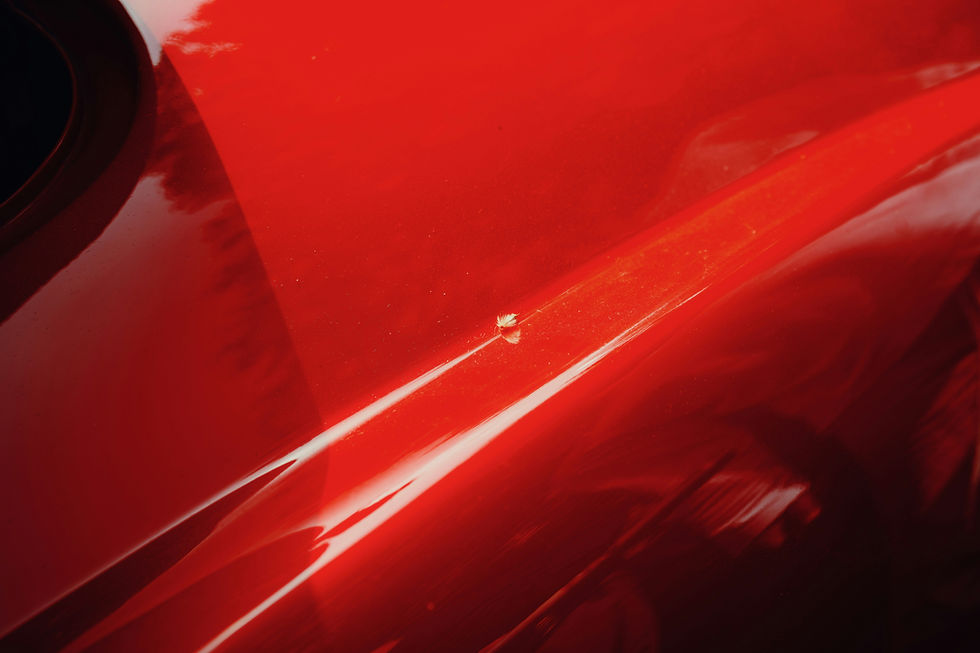
Bird droppings left on the paint
Tree sap
Long-term sun exposure beyond normal finish expectations
Poor maintenance
Pressure washing too close to the surface
Paint needs normal care, even after a high-quality repair. Washing the vehicle properly, removing contaminants quickly, and avoiding harsh chemicals all help protect the finish.
Parts installed during the repair
Replacement parts are often part of collision repair. These may include original equipment parts, aftermarket parts, recycled parts, or remanufactured parts, depending on the repair plan, the insurer, and the vehicle.
The shop may warrant the labor used to install those parts. The part itself may carry a separate warranty from the part supplier or manufacturer.
That difference can be confusing, so here is a simple way to think about it:
Shop workmanship
Parts warranty
Covers how the part was installed or repaired by the collision center
Covers defects in the part itself, based on the part supplier’s terms
If a replacement tail light fails because the part had an internal defect, that may be handled differently than a tail light that leaks because it was installed incorrectly. A reputable repair center will inspect the issue and explain the next step.
Related repair operations
Collision repairs often involve more than the damaged body panel. The vehicle may need scans, calibrations, alignments, corrosion protection, seam sealing, glass removal, trim replacement, or interior access.
The warranty may apply to related operations performed as part of the covered repair. For example, if trim removed during the repair was not reinstalled correctly, that concern may be reviewed as a workmanship issue.
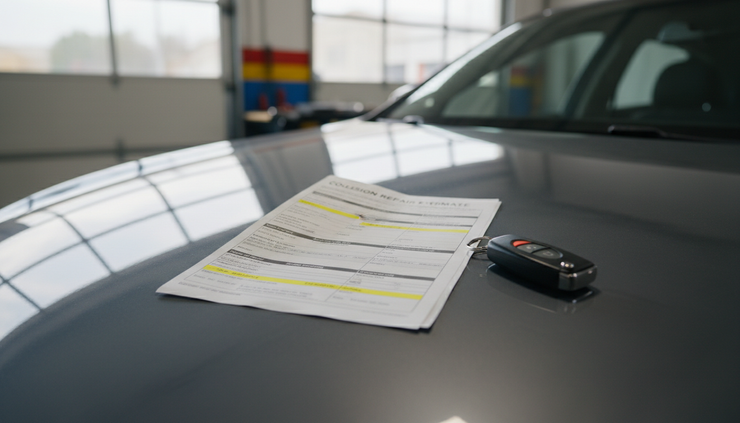
This is one reason documentation matters. The repair order shows what work was actually performed. It helps both the customer and the shop understand what falls within the warranty.
What a lifetime warranty usually does not cover
A trustworthy warranty is not vague. It should say what it covers and what it does not cover.
Most collision repair warranties exclude issues that are not caused by the original repair. That protects the integrity of the warranty and keeps the repair promise focused.
Common exclusions include:
New accident damage
Scratches, dents, or chips after the vehicle leaves the shop
Rust or corrosion unrelated to the repair work
Damage from neglect or lack of maintenance
Misuse, off-road damage, or racing damage
Flood, fire, storm, or vandalism damage
Mechanical problems unrelated to the collision repair
Wear and tear from normal vehicle age and use
Repairs or modifications performed later by another shop
Pre-existing damage that was not part of the repair
Here is a practical example.
A vehicle comes in after a rear-end collision. Wreck Center repairs and refinishes the rear bumper and quarter panel. Two years later, the paint on that repaired quarter panel starts peeling with no signs of new impact or neglect. That may be a warranty concern.
Now take the same vehicle. Two years later, the owner backs into a metal pole and cracks the bumper. That is new collision damage. The lifetime warranty does not cover it, even though the bumper was part of the earlier repair.
The difference is cause.
A warranty review tries to answer one main question: Did the issue happen because of the covered repair work, or because of something else?

Why the written warranty and repair records matter
A handshake promise is nice. A written warranty is better.
After a collision repair, customers should keep:
The final repair order
The written warranty
Any parts documentation provided
Insurance paperwork related to the repair
Photos or notes from the completed repair, if available
These records help if a question comes up later. They show what was repaired, which parts were replaced, and when the work was completed.
They also help avoid confusion. A vehicle may have several repairs over its life. A hood may have been painted by one shop, a bumper replaced by another, and a door repaired after a separate incident. When a paint issue or panel fit concern appears years later, records make it easier to trace the work.
When returning for a warranty concern, it helps to describe the issue clearly:
When did it first appear?
Has the vehicle been in another accident since the repair?
Has another shop worked on that area?
Is the concern getting worse?
Are there photos from when the problem first appeared?
The goal is not to make the process difficult. The goal is to review the concern fairly and accurately.
How Wreck Center’s warranty builds trust
After an accident, customers already have enough to think about. Insurance claims, rental cars, repair timelines, parts delays, and safety concerns can make the process feel overwhelming.
A clear warranty helps because it gives the repair a longer promise.
Wreck Center’s lifetime warranty for the original owner is built around a simple idea: when the shop repairs a vehicle, it should stand behind the workmanship. That promise shows confidence in the repair process and gives customers a place to return if a covered issue appears later.
Trust does not come from saying “lifetime” in large print. It comes from explaining what that word means.
It means the original owner has support beyond the day the vehicle is picked up. It means repair quality matters years after the invoice is closed. It means the shop is willing to inspect concerns, answer questions, and make things right when a covered workmanship issue is found.
That kind of warranty also encourages better work from the start. A shop that stands behind its repairs has every reason to use proper procedures, document the job, and pay attention to details that may not be obvious at first glance.
For customers, the warranty is one more way to judge the repair facility. Price and speed matter, but they are not the whole story. A collision repair affects appearance, safety, resale confidence, and daily use. The warranty should reflect that level of responsibility.

The real value is peace of mind after the repair
A lifetime collision repair warranty is not a blank check for any future vehicle problem. It is a promise tied to the work the repair facility performed.
The strongest way to understand it is this:
If a covered issue appears because of the collision repair workmanship, the warranty is there to protect the original owner for as long as they own the vehicle.
That is the value of Wreck Center’s warranty. It gives customers more than a repaired vehicle. It gives them a clear path back if something related to the repair does not hold up the way it should.
Before leaving any collision center, ask for the warranty in writing, keep it with the repair records, and make sure the terms are clear. A repair should look right when the vehicle is delivered, and the shop’s promise should still mean something long after the keys are handed back.
This content was created by Two Four Media for informational and marketing purposes. For questions about services, pricing, warranties, availability, or your specific vehicle, please contact Wreck Center directly.


Comments